
Taipei, Taiwan – February 19, 2026
A physician on Tuesday cautioned the public about the risks of gambling addiction during the Lunar New Year holiday, particularly among those who find it difficult to stop purchasing scratch-off lottery tickets.
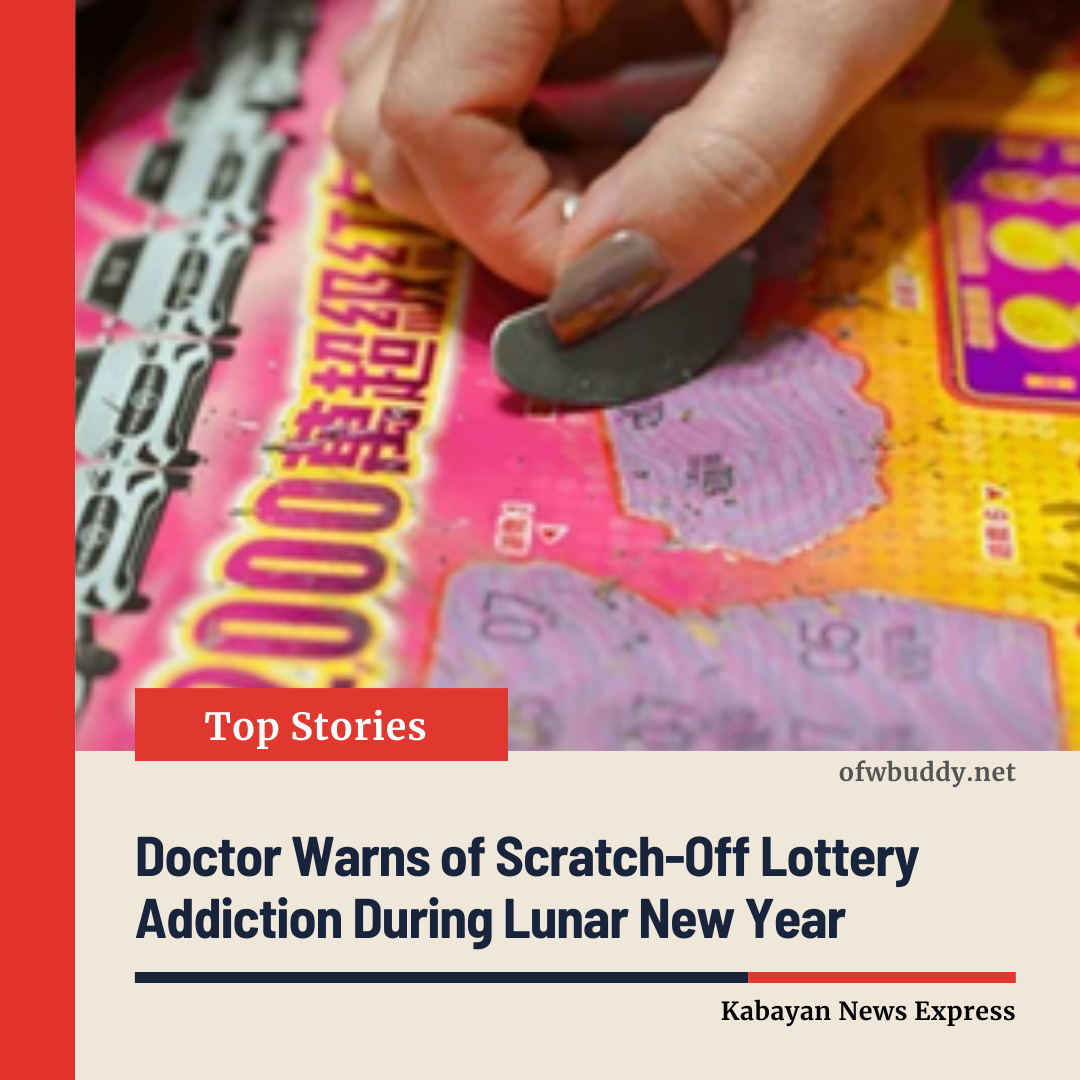
During the festive season, many people buy scratch cards believing the holiday is an auspicious time to test their luck. However, Dr. Huang Ming-chi, superintendent of the Taipei City Hospital Songde Branch, warned that what may appear to be harmless entertainment can gradually cross the line into addictive behavior.
Dr. Huang explained that whether occasional gambling develops into addiction is closely linked to an individual’s personality traits.
“Clinically, high-risk individuals often have weaker abilities to delay gratification, higher impulsivity, and a stronger preference for immediate rewards,” she said. “Once they have money on hand, they may seek quick stimulation.”
She noted that for people with addictive tendencies, exposure to money or gambling activities can easily activate the brain’s reward mechanisms, leading to compulsive gambling behavior.
Dr. Huang added that individuals under significant stress may turn to highly stimulating or risky activities, such as gambling, as a way to relieve pressure.
“This group is characterized by abnormal stress responses and generally has lower tolerance for stress and frustration, making them more likely to view gambling as a form of self-comfort,” she said.
She also urged parents to be cautious when buying scratch-off lottery tickets with their children during the holidays, emphasizing that children’s values are largely shaped through observation and imitation.
Dr. Huang highlighted the heightened risks posed by online gambling, particularly for young people. The widespread use of smartphones has significantly lowered the barriers to placing bets, increasing accessibility and potential harm.
According to Dr. Huang, one key warning sign of gambling addiction is when a person becomes preoccupied with “winning back” losses. Other common signs include lying, borrowing money, feeling restless or distressed when not gambling, and experiencing intense regret after gambling.
“Most gambling addicts lack awareness of their condition. Among those with severe gambling addiction, fewer than one-third recognize that they have a problem,” she said.
Dr. Huang advised individuals who notice signs of addiction to seek professional help as early as possible to prevent the issue from worsening.